
Introduction
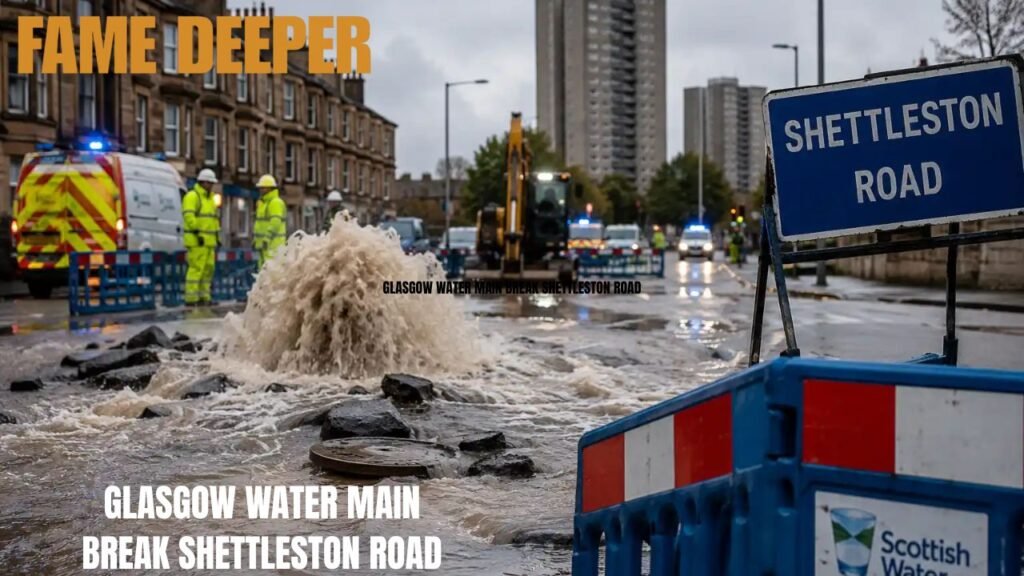
The Glasgow Water Main Break Shettleston Road incident quickly became a major topic of discussion among local residents, commuters, and businesses. What started as an underground pipe failure soon turned into a situation that affected traffic, water services, and daily life across parts of the area. Many people woke up to flooded streets, travel delays, and concerns about how long repairs would take. As emergency crews worked to control the situation, the event highlighted how important water infrastructure is to modern communities.
A water main is one of the largest pipes in a public water supply system. These pipes carry huge amounts of clean water to homes, schools, hospitals, and businesses every day. Most people rarely think about them because they operate underground and out of sight. However, when a major pipe fails, the effects can be immediate and widespread. Roads can flood within minutes, water pressure can drop, and entire neighborhoods may experience service interruptions.
What Happened During the Glasgow Water Main Break on Shettleston Road?
Quick Bio
| Detail | Information |
|---|---|
| Article Topic | Glasgow Water Main Break Shettleston Road |
| Main Keyword | Glasgow Water Main Break Shettleston Road |
| Category | Local News & Infrastructure |
| Location | Shettleston Road, Glasgow, Scotland |
| Incident Type | Water Main Break / Burst Water Pipe |
| Primary Impact | Flooding, Traffic Delays, Water Supply Disruptions |
| Affected Groups | Residents, Businesses, Commuters |
| Main Cause | Aging Infrastructure and Pipe Failure |
| Emergency Response | Water Utility and Local Authority Repair Crews |
| Key Discussion | Causes, Effects, Repairs, and Infrastructure Lessons |
| Reader Intent | Informational |
| Content Type | News Analysis & Infrastructure Guide |
| Target Audience | Residents, Commuters, Business Owners, General Readers |
The Glasgow Water Main Break Shettleston Road incident became a major concern after a large underground water pipe reportedly burst beneath one of the area’s busiest roads. Within a short period, significant amounts of water began flowing onto surrounding streets, creating difficult conditions for motorists, pedestrians, and nearby businesses. Emergency teams were called to assess the situation and begin immediate response efforts to control the flooding and protect public safety.
As water continued to escape from the damaged pipe, traffic movement became increasingly difficult. Some roads experienced temporary closures while authorities worked to manage the situation. Public transportation services were also affected, forcing commuters to look for alternative routes. For many residents, the sudden disruption served as a reminder of how much cities rely on hidden infrastructure that often goes unnoticed until something goes wrong.
Although water main failures are not uncommon in large cities, incidents involving major roads can create wider disruption because of the number of people and businesses that depend on these routes every day. The Shettleston Road water main burst quickly attracted attention because of its impact on daily activities and local services.
What Caused the Glasgow Water Main Break Shettleston Road Incident?
Quick Bio
| Detail | Information |
|---|---|
| Article Topic | Glasgow Water Main Break Shettleston Road |
| Main Keyword | Glasgow Water Main Break Shettleston Road |
| Category | Local News & Infrastructure |
| Location | Shettleston Road, Glasgow, Scotland |
| Incident Type | Water Main Break / Burst Water Pipe |
| Primary Impact | Flooding, Traffic Delays, Water Supply Disruptions |
| Affected Groups | Residents, Businesses, Commuters |
| Main Cause | Aging Infrastructure and Pipe Failure |
| Emergency Response | Water Utility and Local Authority Repair Crews |
| Key Discussion | Causes, Effects, Repairs, and Infrastructure Lessons |
| Reader Intent | Informational |
| Content Type | News Analysis & Infrastructure Guide |
| Target Audience | Residents, Commuters, Business Owners, General Readers |
Understanding the cause of a water main break is important because it helps explain why these events happen and what can be done to reduce future risks. In many cases, a single factor is not responsible. Instead, several conditions combine over time until a pipe eventually fails.
One of the most common causes is aging infrastructure. Many water pipes installed decades ago continue to operate beyond their original expected lifespan. As materials age, they can become weaker and more vulnerable to cracks, leaks, and bursts. Even small weaknesses can eventually grow into major failures under constant pressure.
Environmental conditions may also play a role. Changes in temperature can cause pipes to expand and contract. Soil movement beneath roads can place additional stress on underground infrastructure. Heavy traffic above ground can sometimes contribute to long-term wear on older systems.
Another possible factor is pressure fluctuation within the water network. Water systems operate under carefully managed pressure levels. Sudden increases or changes in pressure can place extra strain on weak sections of pipe. If a pipe already has structural weaknesses, pressure changes may increase the likelihood of failure.
The Glasgow Water Main Break Shettleston Road incident highlights the challenge many cities face as they work to maintain aging infrastructure while meeting the growing needs of local communities.
How Did the Water Main Break Affect Residents and Businesses?
The effects of a major water main break often extend beyond the immediate flooding. Residents may experience reduced water pressure, temporary service interruptions, travel delays, and concerns about property damage. For businesses, even a short disruption can create operational challenges.
Many local businesses depend on a steady supply of clean water to serve customers and maintain daily operations. Restaurants, cafes, retail stores, and service providers can all experience difficulties when water access becomes limited. In some situations, businesses may need to temporarily adjust their schedules while repair work continues.
Residents living near the affected area may also face inconvenience caused by road closures and restricted access. Routine activities such as commuting to work, attending school, or visiting local shops can become more difficult when major roads are affected by flooding or emergency repair work.
The emotional impact should not be overlooked either. Unexpected infrastructure failures can create uncertainty within communities, especially when people are unsure how long repairs will take or whether additional disruptions may occur.
Common Effects of a Water Main Break
| Impact Area | Possible Effects |
|---|---|
| Residents | Water supply interruptions, travel delays |
| Businesses | Reduced operations, customer disruption |
| Roads | Flooding, closures, traffic congestion |
| Public Transport | Route diversions and delays |
| Utilities | Temporary service adjustments |
Traffic Disruptions and Road Closures on Shettleston Road
One of the most visible consequences of the Glasgow Water Main Break Shettleston Road incident was the effect on transportation. Shettleston Road is an important route for local traffic, public transport, and commercial activity. When a water main bursts beneath a busy road, authorities often need to act quickly to ensure public safety.
Flooded road surfaces can become dangerous for drivers and pedestrians. Water may reduce visibility, hide road damage, or create hazardous driving conditions. Temporary road closures are often necessary to allow repair crews access to the damaged infrastructure.
Public transportation systems may also experience disruption. Bus routes can be diverted, resulting in longer travel times and inconvenience for passengers. Commuters who depend on predictable transport schedules often face unexpected delays during such incidents.
Traffic management becomes a key part of the response process. Local authorities typically work alongside utility companies to redirect vehicles, install warning signs, and minimize disruption while repairs are underway.
Repair Efforts and Restoration Updates
Repairing a major water main is a complex process that requires careful planning and coordination. The first priority is usually stopping the flow of water from the damaged section of pipe. Utility crews may isolate the affected area by closing specific valves within the water network.
Once the water flow is controlled, engineers can inspect the damaged pipe and determine the extent of the problem. Depending on the severity of the damage, repairs may involve replacing a small section of pipe or installing a completely new segment.
Excavation is often required because water mains are located beneath roads and other infrastructure. This process can take time, especially when crews must work around underground cables, drainage systems, and other utilities.
After repairs are completed, the system must be carefully tested before normal service can resume. Water quality checks, pressure testing, and safety inspections help ensure that the network is functioning correctly before it is returned to full operation.
The speed of restoration depends on several factors, including the size of the damaged pipe, weather conditions, accessibility, and the complexity of the repair work.
What the Glasgow Water Main Break Reveals About Urban Infrastructure
The Glasgow Water Main Break Shettleston Road incident is not just a local story. It also reflects a broader challenge faced by cities around the world. Much of the infrastructure that supports modern life was built decades ago and requires ongoing maintenance, upgrades, and investment.
Water systems are among the most important public assets in any community. They provide clean drinking water, support businesses, protect public health, and help emergency services operate effectively. When a major component fails, the consequences can affect thousands of people.
Infrastructure experts often emphasize the importance of preventative maintenance. Regular inspections, condition monitoring, and planned replacement programs can help reduce the risk of unexpected failures. However, maintaining extensive underground networks is expensive and requires long-term planning.
The Shettleston Road water main burst demonstrates why infrastructure investment remains a critical priority for growing urban areas. Reliable systems help communities remain safe, resilient, and prepared for future challenges.
How Residents Should Respond During a Water Main Break
Knowing how to respond during a water main break can help reduce inconvenience and improve safety. While every situation is different, there are several practical steps residents can take when a major utility disruption occurs.
First, avoid flooded areas whenever possible. Water on roads and pavements may conceal hazards such as damaged surfaces or open utility access points. Following official guidance and traffic instructions can help keep everyone safe.
Residents should also monitor updates from local authorities and water providers. These updates often include information about repair progress, expected restoration times, and any temporary service arrangements.
If water pressure decreases or service is interrupted, storing a reasonable supply of drinking water may be helpful until normal service returns. Once repairs are completed, some households may notice temporary discoloration in tap water. Running cold water for a short period often helps clear the system, although official guidance should always be followed.
Prepared communities tend to recover more quickly from unexpected infrastructure events, making awareness and communication important parts of emergency response.
Frequently Asked Questions
When did the Glasgow Water Main Break Shettleston Road incident occur?
The incident gained attention after reports of a major water main failure caused flooding, traffic disruption, and concerns about local water services.
What caused the water main to burst?
Possible causes include aging infrastructure, pipe deterioration, pressure fluctuations, environmental conditions, and long-term wear.
Were residents affected?
Yes. Residents may have experienced travel disruption, flooding concerns, and temporary interruptions to water services.
Did local businesses experience disruption?
Many businesses in affected areas faced operational challenges due to traffic restrictions and utility-related issues.
How long do water main repairs usually take?
Repair times vary depending on the size of the pipe, location of the damage, and complexity of the repair work.
Can similar incidents happen again?
Unfortunately, water main breaks remain a possibility in any city with aging infrastructure. Regular maintenance and modernization programs help reduce the risk.
What lessons can be learned from this incident?
The event highlights the importance of infrastructure investment, preventative maintenance, emergency planning, and effective communication during public service disruptions.
Conclusion
The Glasgow Water Main Break Shettleston Road incident serves as an important example of how essential infrastructure supports everyday life. While underground water systems often operate unnoticed, their role becomes immediately visible when a major failure occurs. The disruption experienced by residents, businesses, and commuters demonstrates the far-reaching effects that a single infrastructure problem can create.
At the same time, the incident provides valuable lessons about preparedness, maintenance, and long-term investment in public utilities. As cities continue to grow and infrastructure ages, maintaining reliable water networks will remain a priority for local authorities and utility providers.
Although the Shettleston Road water main burst caused temporary disruption, it also highlighted the resilience of communities and the importance of rapid emergency response. By understanding what happened and why it occurred, residents can gain a clearer picture of the challenges involved in managing modern urban infrastructure and the steps being taken to build more reliable systems for the future.
Read More: Çievri: Meaning, Origins, Philosophy, and Modern Significance